Andrew Morgan's Blog
Welcome to Andrew Morgan's blog, your go-to source for all things in Optics from the latest spectacle fashion, vision correction and eye health. Dive into our latest post where we shine a light on the world of Optics
Keep your vision in focus with us!
Andrew Morgan's Blog
Children & Vision
Young Children and Vision
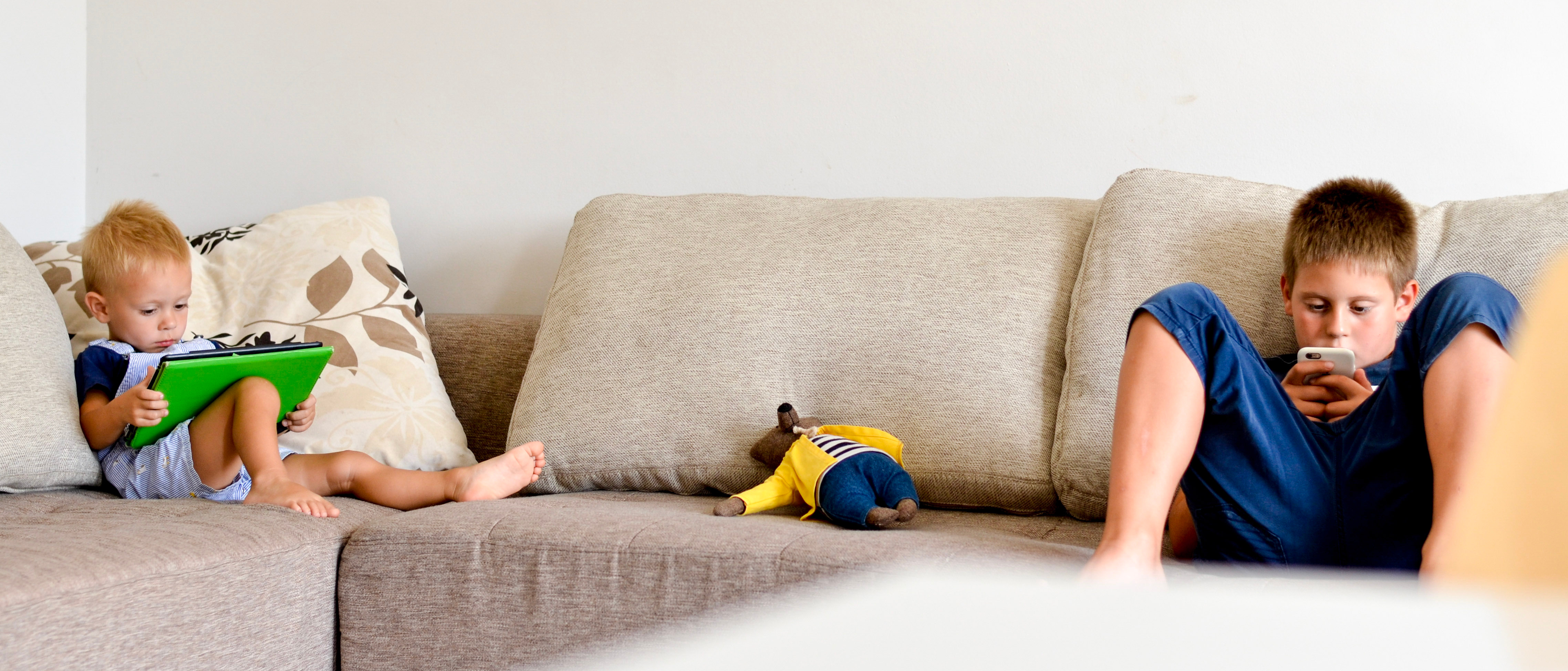
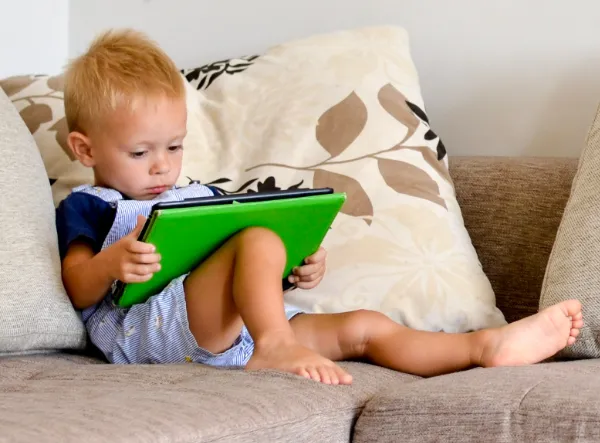
There is growing concern about how digital screens affect children. As part of a wider Government consultation on social media, AI chatbot access for young people and school mobile phone guidance, ministers have proposed advice on how much time children under five should spend away from screens
Government reccomeddations
·Under 2s: Avoiding screen time other than for shared activities that encourage bonding, interaction and conversation.
·2 to 5-year-olds: Trying to keep it to no more than one hour a day. Avoid at mealtimes and in the hour before bed
·Content: Choosing slow-paced, age-appropriate content. Fast-paced, social media-style videos and AI toys or tools should be avoided for young children.
·Co-viewing: Watching or using screens together - talking, asking questions and engaging with the content - is better for children’s development than solo screen use.
Why is this important
Early years matter because the eyes are still developing, and good eyesight helps children reach their potential at school and socially.
Research links excessive childhood screen use with digital eye strain and disrupted sleep.
There is strong evidence that children who spend more time outdoors have a lower risk of becoming short‑sighted; regular outdoor play and exercise can reduce that risk. Studies suggest two hours of outdoor activity a day is ideal.
Blue light
Blue light is part of natural visible light, but there have been concerns about the amount of blue light emitted from digital devices with their close proximity to our eyes.
Eye Damage
Animal studies show blue light can cause eye damage, but those tests used far higher amounts than typical device emissions
Eye Strain
A significant number of people have found “blue light blocking” lenses have helped reduce eye strain when using digital devices.
Sleep patterns
Using screens close to bedtime may contribute to poorer sleep, which may mean your child’s concentration levels are lower during the day. This may be because blue light is linked to the suppression of the hormone melatonin which makes us feel sleepy.
What can we do?
Advice for keeping your child’s eyes healthy
Spend time outdoors – regular play and exercise can help prevent or reduce the development of myopia (short-sightedness). Two hours of outdoor activity a day is ideal
Use night settings on your devices, if they are available This may help children sleep by reducing the amount of blue light given off by the screen during night-time hours
Limit screen time in line with government recommendations
Make sure digital devices are turned off at least an hour before bedtime
If you have any concerns at all book an Eye Examination with your Optometrist. If they provide NHS appointments, they are free for pre-school children, and anyone under 19 in education.
For more information
https://www.gov.uk/government/news/new-screen-time-guidance-for-parents-of-under-5s
Or email me at